

Solving the Attrition Challenge in BFSI: A Learning-Centric Approach

The Banking and Financial Services Industry (BFSI) faces a persistent challenge: high attrition rates, particularly in frontline roles such as sales, customer service, and operations. According to industry reports, private sector banks in India experience attrition rates as high as 25%, resulting in increased hiring costs, reduced efficiency, and lower customer satisfaction. Younger employees, in particular, demand career growth opportunities and a better work-life balance, making retention more complex.
Traditional strategies such as salary hikes and bonuses alone are no longer effective. Organizations must adopt a learning-centric approach that focuses on career development, skill enhancement, and engagement-driven training programs to foster long-term loyalty and growth. This article explores how structured learning and development (L&D) strategies can significantly reduce attrition in BFSI and create a more sustainable workforce.
Understanding the Attrition Challenge in BFSI
1. Why Are Employees Leaving?
Attrition in BFSI is primarily driven by the following factors:
Limited Career Growth – Many employees, especially in frontline roles, feel there is no clear path for advancement.
High Work Pressure – Target-driven roles often lead to burnout and stress, prompting employees to seek alternative career options.
Lack of Engagement – Outdated training methods and a lack of professional development contribute to disengagement.
Monotonous Job Roles – Repetitive tasks with limited skill exposure lead to job dissatisfaction.
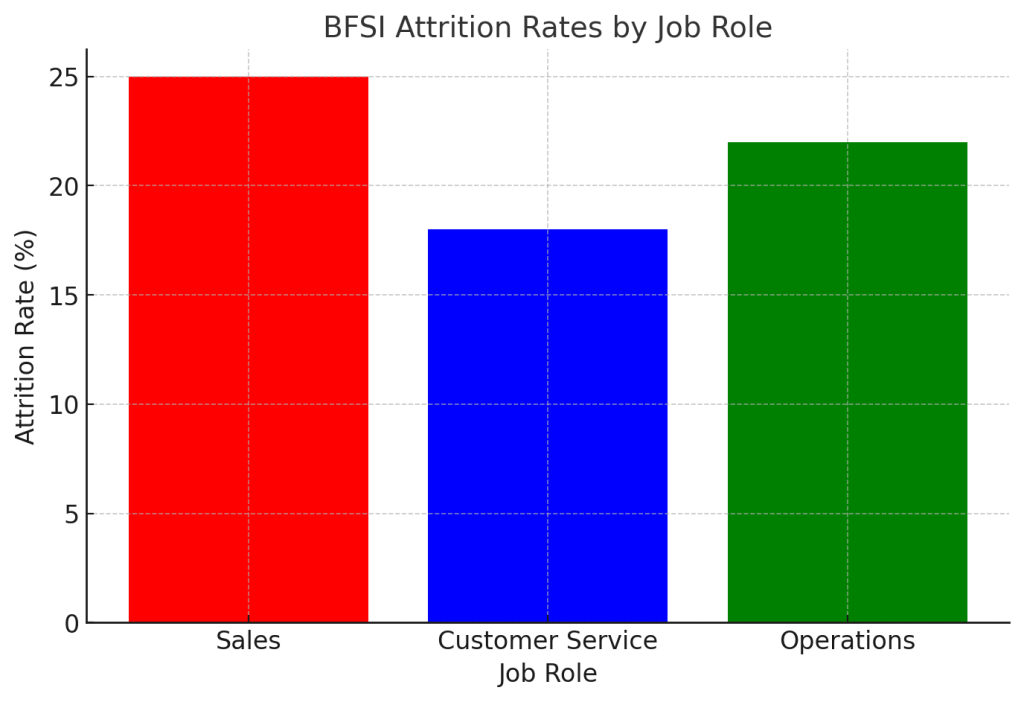
2. The Impact of High Attrition
Financial Burden: Replacing an employee can cost 50-200% of their annual salary, including recruitment, onboarding, and training expenses.
Operational Disruptions: Frequent turnover disrupts workflows, leading to inefficiencies and errors.
Customer Experience Decline: High turnover in customer-facing roles affects service consistency and erodes customer trust.
How a Learning-Centric Approach Can Reduce Attrition
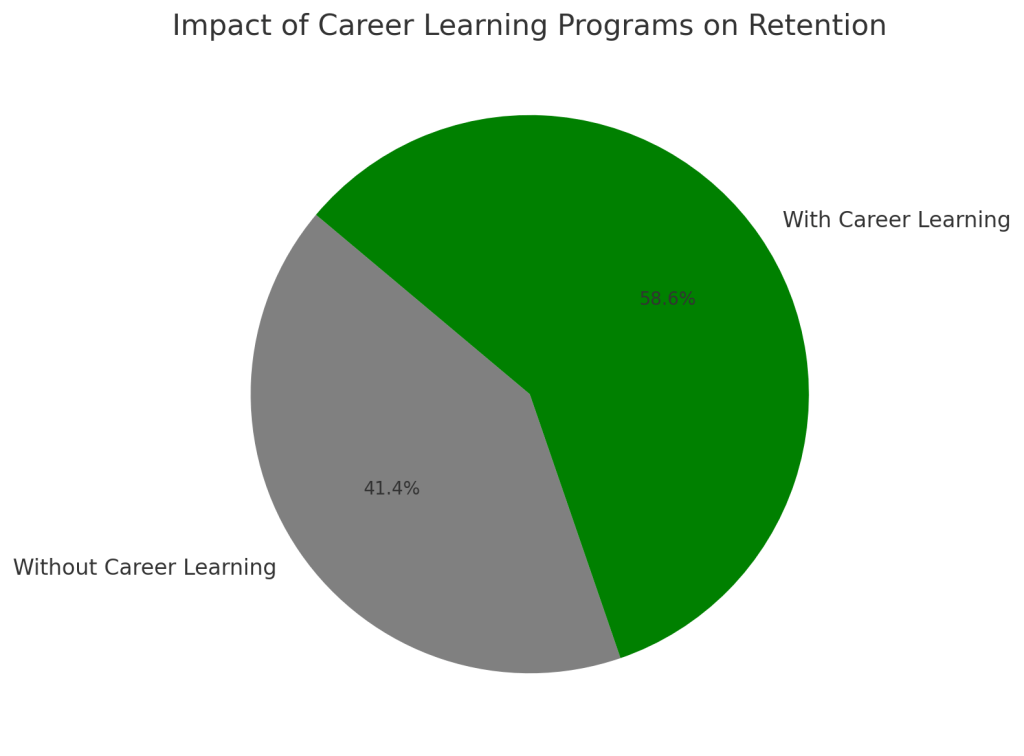
A well-structured learning and development (L&D) framework enhances employee engagement, fosters career growth, and strengthens retention.
1. Career Growth through Personalized Learning
Employees seek clear career paths with structured skill development opportunities.
Solution: Implement role-based learning paths where employees acquire targeted skills aligned with their career goals.
Example: A customer service representative can undergo specialized training to transition into relationship management or product advisory roles.
2. Gamification for Employee Engagement
Traditional compliance-heavy training fails to engage employees effectively.
Solution: Introducing gamified training with leaderboards, rewards, and interactive quizzes makes learning enjoyable and increases participation.
Example: A sales training module with competitive elements where employees earn points for completing courses.
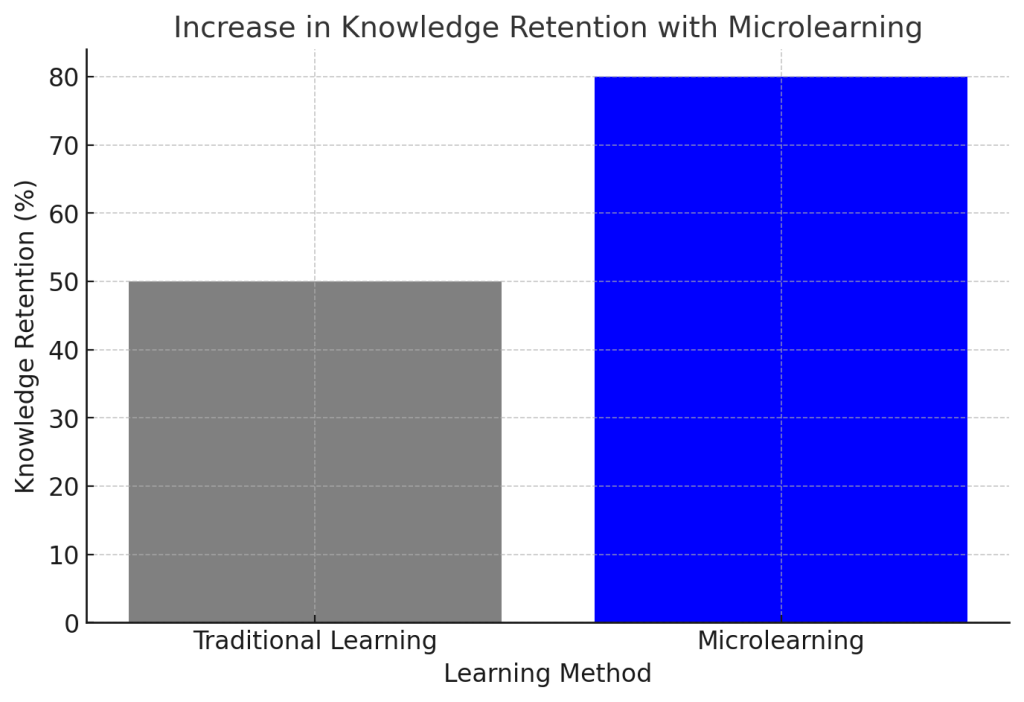
3. Microlearning for Continuous Skill Development
Employees have short attention spans and prefer learning in small, digestible units.
Solution: Deliver training in 5-10 minute microlearning sessions, focusing on immediate skill application.
Example: A mobile-based platform offering daily bite-sized learning modules on banking regulations, customer handling, or fintech trends.
4. AI-Driven Learning for Personalized Upskilling
A one-size-fits-all training program does not address individual learning needs.
Solution: AI-driven learning platforms analyze employee performance data and provide personalized course recommendations to upskill effectively.
Example: A relationship manager struggling with cross-selling can receive targeted learning modules on negotiation skills and customer relationship strategies.
Measuring the Success of a Learning-Centric Retention Strategy
Key Metrics to Measure Impact
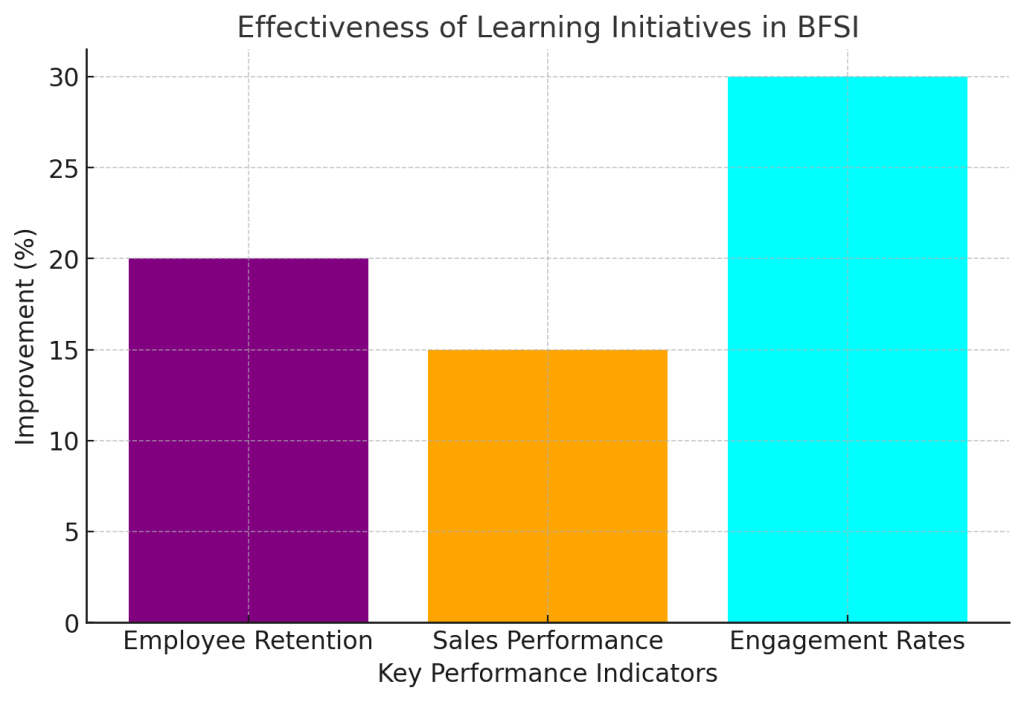
Retention Rate Improvement: Track employee turnover rates before and after implementing structured learning programs.
Training Completion & Engagement Rates: Higher participation in training modules signals increased employee engagement.
Performance KPIs: Measure improvements in sales, customer service quality, or efficiency after targeted learning interventions.
Employee Satisfaction Scores: Conduct surveys to gauge the impact of training programs on employee morale.
Conclusion
The BFSI sector must evolve beyond traditional retention strategies and embrace a learning-centric approach to combat attrition effectively. By investing in career growth, gamification, microlearning, and AI-driven training, organizations can build a more engaged, motivated, and committed workforce.
Key Takeaways:
Personalized career learning reduces attrition by creating clear growth opportunities. Gamified training increases engagement and participation. Microlearning and AI-driven learning enable continuous upskilling and adaptability. Measuring impact ensures ongoing improvement and alignment with business goals.
As the BFSI industry continues to evolve, learning and development will be the cornerstone of talent retention and long-term success.
📢 What’s Next?
Looking to revamp your BFSI workforce training? Explore interactive learning solutions that drive engagement and retention.


Comments